|
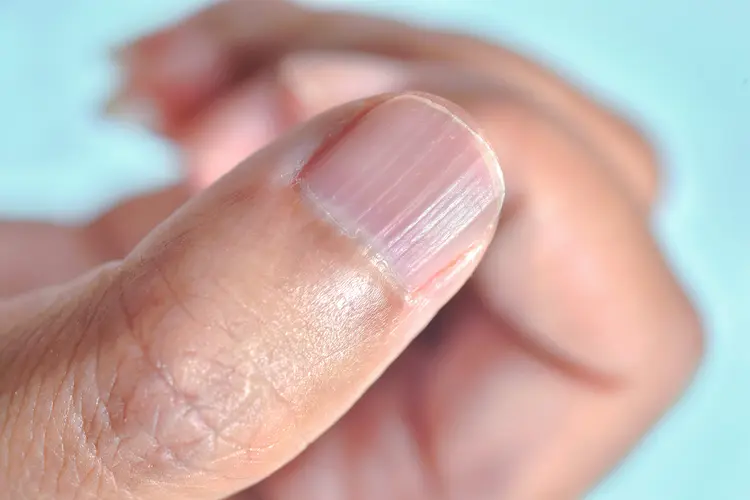
What Is Onychorrhexis? Onychorrhexis is a condition that affects your nails, causing them to develop ridges and splitting. These ridges often look like thin grooves running vertically along the length of your nail. Your nails may also become brittle, break easily, and split at the edges. Onychorrhexis involves the nail matrix, which is responsible for making your nails grow. Issues with making skin cells and a skin protein called keratin can change how your nails grow, leading to onychorrhexis.
Onychorrhexis causes vertical ridges on your fingernails. It often happens with aging but can also be a symptom of a health condition. (Photo Credit: iStock/Getty Images) Causes of Ridges on Fingernails Most of the time, onychorrhexis isn’t concerning and is just a cosmetic annoyance. But it can also be a sign of another health problem. Conditions that can cause onychorrhexis include: Aging. As you get older, your nails can naturally become ridged, dry, brittle, or thick. This is a normal part of the aging process and one of the most common causes of onychorrhexis. Heart and circulatory diseases. Your blood delivers nutrients and oxygen to tissues and cells. If you have problems with your , lungs, blood vessels, or oxygen circulation, you might not have enough nutrient delivery. This can affect your nails. Nutrient deficiencies. If your diet doesn't include enough iron, protein, or folic acid, you can have nail growth problems. This may be caused by a diet that isn't well balanced or by malnutrition from bulimia or other eating disorders. Systemic diseases. Hypothyroidism slows down your metabolism. This can cause dry, brittle, and ridged nails. Liver disease and chronic kidney disease can also cause onychorrhexis. Nail syndromes. Witkop syndrome is a hereditary genetic disease that leads to missing teeth, vertical ridging in fingernails, and toenail koilonychia, which causes indented nails called spoon nails. Rheumatology diseases. Diseases that affect the joints and cause deformities can cause problems with your nails. These diseases include gout, rheumatoid arthritis, osteoarthritis, and systemic sclerosis. Other diseases. is a rare disease that causes amyloid protein to build up in your organs and tissues. This can affect your nails. Nail trauma. Injury to your nails, picking at your nails, or strong chemicals can damage your nail matrix, affecting how your nails grow. Symptoms of Onychorrhexis The main symptom of onychorrhexis is vertical ridges in your nail. Rather than having a smooth nail, you might have nails with vertical grooves that feel bumpy. You may also have: Brittle nails that break easily Splitting nails Single or multiple ridges Is nail pitting a sign of onychorrhexis? Nail pitting, or small indentations on your nail surface, is not generally a symptom of onychorrhexis. Onychorrhexis mainly causes vertical ridges and splitting of the nails. Nail pitting is more common with other issues, such as psoriasis, fungal infections, or certain autoimmune diseases. Horizontal Ridges vs. Vertical Ridges on FingernailsHorizontal ridges in your nails are called Beau's lines. This is a separate condition from onychorrhexis. These ridges are usually deeper than vertical ridges. While onychorrhexis is more likely to be caused by age and is mainly a cosmetic condition, Beau's lines are often linked to more serious health issues, such as severe infections, diabetes, or nutritional deficiencies. Onychorrhexis TreatmentTreatment for onychorrhexis depends on the cause. Your doctor might prescribe medications to treat the underlying condition, such as iron supplements, or adjust your current medications. Your doctor might also recommend: As nail polishes with formaldehyde can dry out your nails and cause more problems, they should be used carefully. It’s also a good idea to use good hygiene and self-care practices to keep your nails clean and . These include: Onychorrhexis isn't generally something to be worried about. Talk to your doctor if you have other health conditions, your nails suddenly change without any clear reason, or you have other symptoms such as pain or fatigue.
When should you worry about ridges in fingernails? Onychorrhexis is often nothing to worry about. But if you think it could be tied to another health condition, make an appointment with your doctor. You should also call your doctor if you have pain or notice discoloration and other changes in your nails besides the vertical ridges and brittle nails. Can you buff out ridges on fingernails? Buffing won't remove fingernail ridges. You can lightly buff your nails to get a smoother surface, but you should avoid buffing them too much. This could cause too much trauma to your nails, which could worsen the problem. TakeawaysOnychorrhexis causes vertical ridges in your fingernails. It can also cause them to split and break more easily. It is most commonly caused by aging but can also be a sign of an underlying health condition. You can talk to your doctor about what might be causing your nail ridges and how to treat it. (责任编辑:) |