|
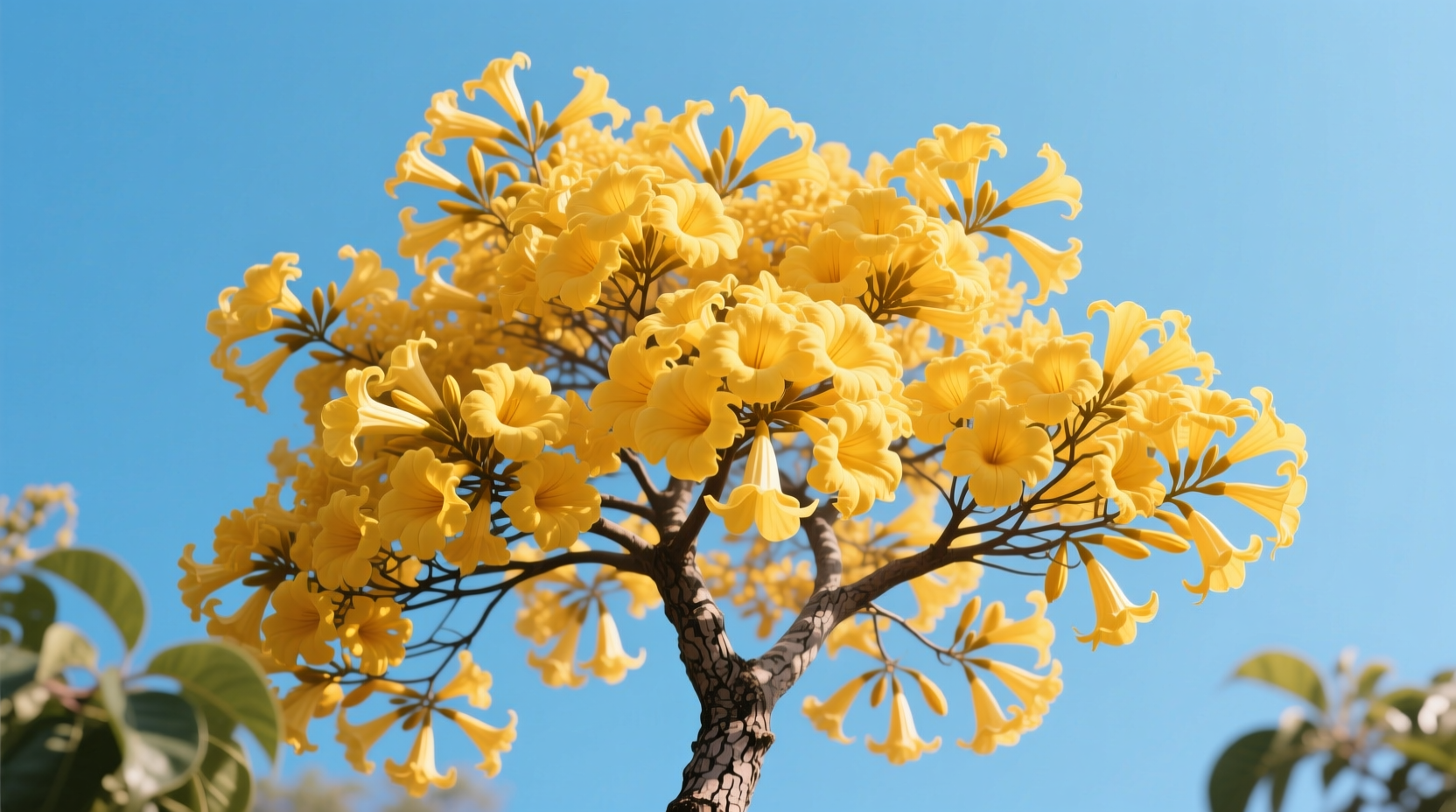
Tabebuia plants (trumpet trees) are tropical flowering trees requiring full sun, well-draining soil, and USDA zones 9-11. Water deeply but infrequently once established. Prune after flowering to maintain shape. Avoid cold temperatures below 30°F (-1°C) and overwatering, which causes root rot. Ideal for vibrant spring displays in warm climates. Understanding Tabebuia: More Than Just Pretty BloomsNative to Central and South America, Tabebuia (commonly called trumpet trees) are deciduous trees celebrated for their spectacular spring flower displays. With over 100 species producing vibrant yellow, pink, or white blooms, they're landscape staples in frost-free regions. Unlike ornamental hybrids, true Tabebuia species develop deep taproots and require specific care to thrive. These trees reach 25-35 feet tall with proper conditions, making them unsuitable for small urban gardens but perfect for spacious yards seeking dramatic seasonal color.
Selecting the right species prevents common planting failures. While all Tabebuia share core care needs, climate tolerance varies significantly. Consider your USDA zone and available space before purchasing:
Species
Bloom Color
Max Height
Cold Tolerance
Best For
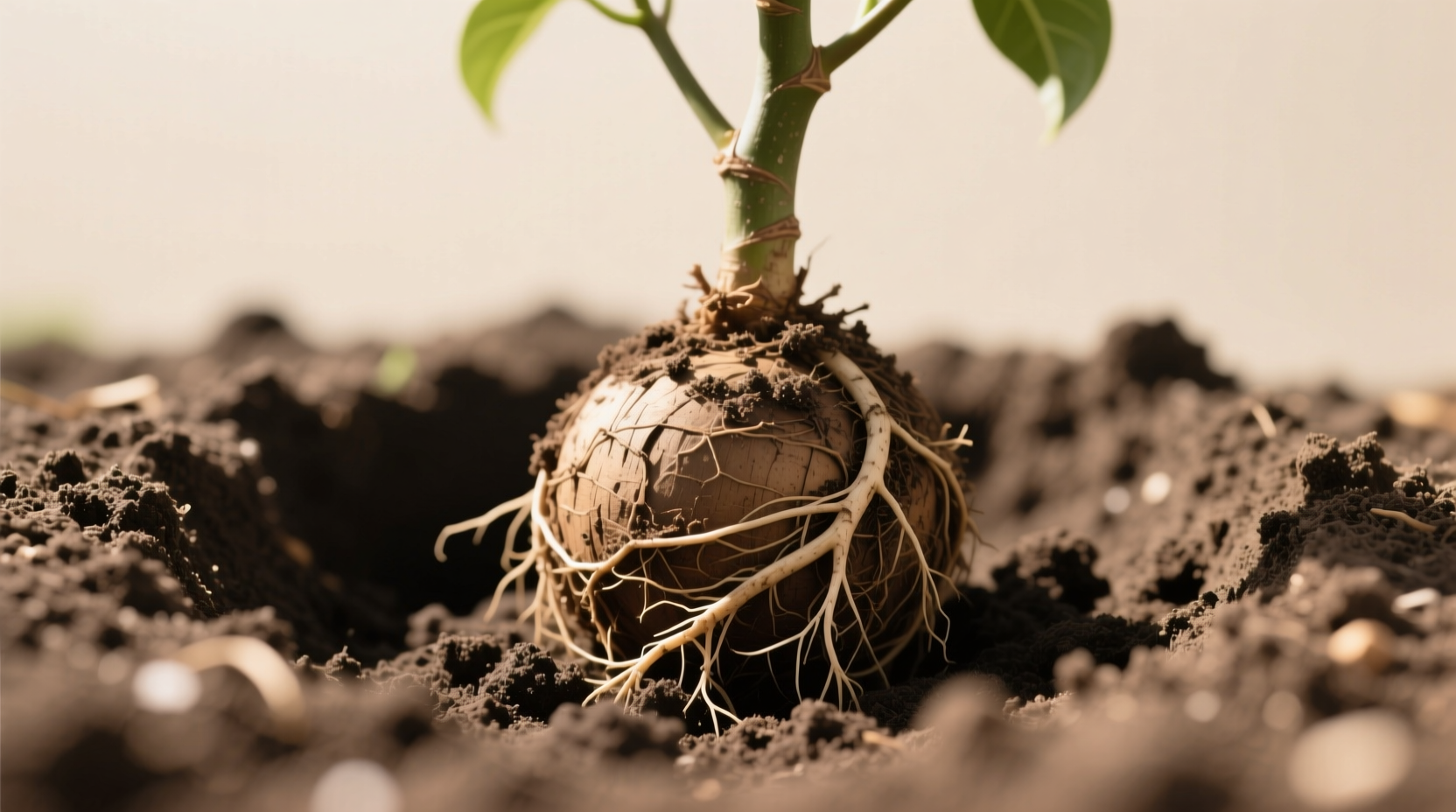
Improper planting causes 70% of Tabebuia failures according to horticultural studies. Follow these steps: Timing: Plant during dry season (late winter) to establish roots before summer heat Hole preparation: Dig 2x wider than root ball but same depth. Never plant deeper than nursery level Soil mix: Blend native soil with 30% coarse sand and 20% composted pine bark Watering schedule: Weeks 1-4: Water every 3 days Months 2-6: Water weekly After 6 months: Water only during extended droughts
Overwatering is the #1 killer of young Tabebuia. These drought-adapted trees require: Deep soakings (15-20 gallons) rather than frequent light watering Complete soil drying between sessions (check 6" depth) No irrigation during rainy seasons Pruning ProtocolPrune within 2 weeks after flowering ceases: Remove dead/damaged branches year-round Lift canopy by trimming lower branches annually Never remove more than 25% of foliage at once Use sterilized tools to prevent fungal spread When to Use Tabebuia (and When to Avoid)
Scenario
Recommendation
Why
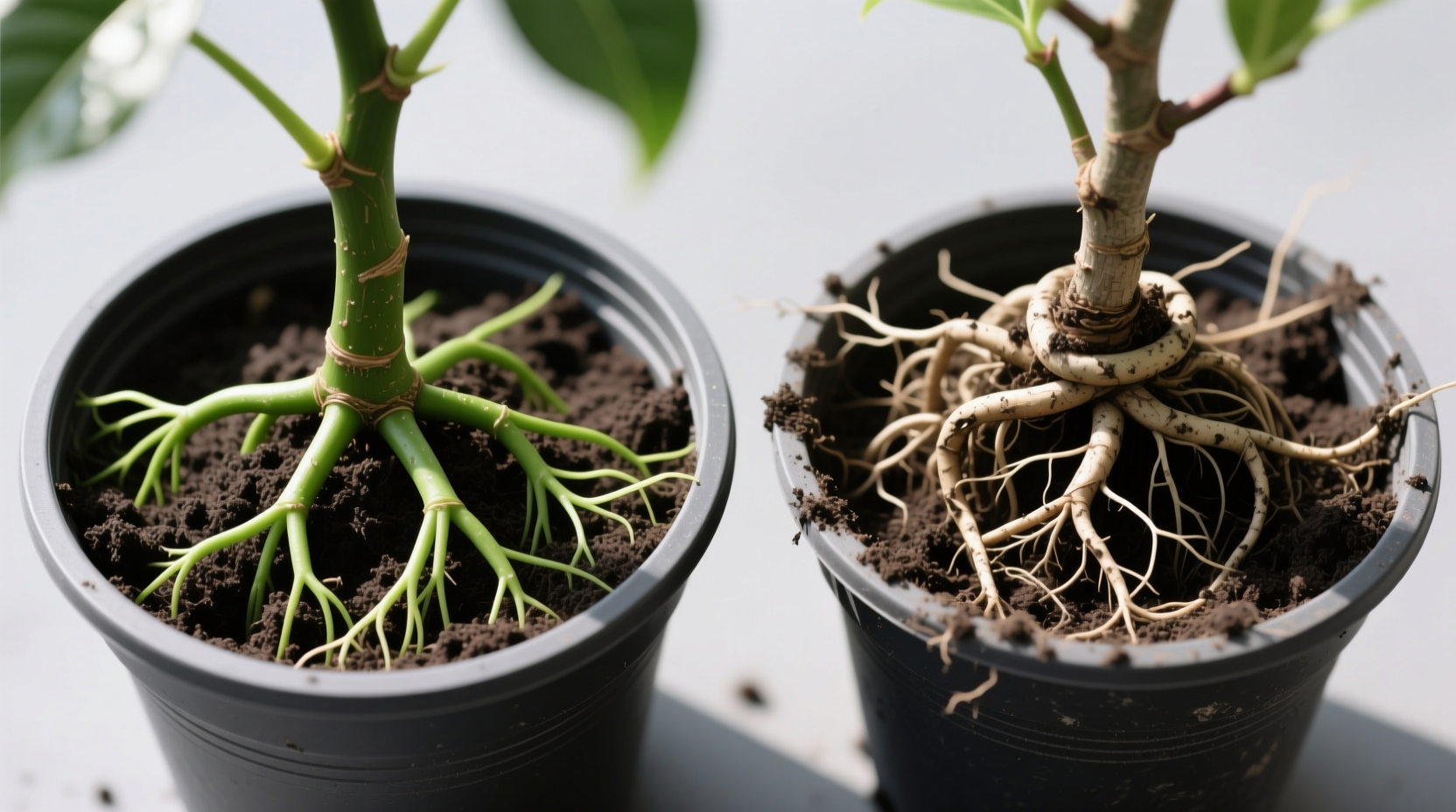
Nurseries often mislabel Tabebuia species. Protect your investment with these checks: Seasonal verification: Only buy during bloom season (spring) to confirm flower color Root inspection: Reject plants with circling roots or soilless pots (indicates prolonged container stress) Label scrutiny: Demand botanical name (e.g., Tabebuia chrysantha), not just "trumpet tree" Size warning: Avoid trees over 5ft in 5-gallon pots – indicates stunting from poor care
Q1: Why isn't my Tabebuia blooming?
Insufficient sunlight (minimum 6 hours direct sun) and over-fertilization are primary causes. Tabebuia requires phosphorus-rich, low-nitrogen fertilizer applied only in early spring. Trees younger than 3 years rarely bloom – patience is essential as they establish deep root systems. Q2: Can Tabebuia grow in containers long-term?
Only dwarf species like Tabebuia aurea survive beyond 5 years in containers. Use 20-gallon pots with drainage holes, repot every 2 years into fresh gritty mix, and prune roots annually. Move indoors when temperatures drop below 40°F (4°C) – prolonged cold exposure kills container-grown specimens. Q3: What causes leaf yellowing on Tabebuia?
Yellow leaves typically indicate overwatering or poor drainage. Check soil moisture 6" deep before watering. In established trees, yellowing during dry periods is normal seasonal behavior. Avoid corrective watering – these trees naturally shed leaves before flowering. Fungal infections show as yellow spots with black centers. Q4: Are Tabebuia roots invasive?
Tabebuia develops deep taproots rather than lateral spreaders, making them less invasive than ficus or willow trees. Maintain 10-foot distance from foundations. Problematic root growth occurs only in compacted soils – amend planting area with sand to encourage vertical root development. Q5: How do I protect Tabebuia from cold snaps?
For temperatures below 32°F (0°C): wrap trunk with burlap, apply 4" mulch layer over root zone, and avoid watering for 3 days pre-freeze. Young trees need frost cloth coverage. Never use plastic – it traps moisture causing freeze damage. Water deeply 24 hours before expected freeze to insulate roots. (责任编辑:) |