|
Photo: Hang out with sloths at Cougar Mountain Zoo’s Rainforest Discovery Education Center. Photo: Krista Tsai
The Seattle area is full of award-winning zoos and unique animal encounters. From smaller farms to zoos and sanctuaries, there are endless opportunities to visit your favorite creatures of the world. While there are many more options, I chose some of my favorite spots with the most unique animals, while also being committed to conservation, education and quality care. Each spot is different enough from the others to warrant a trip — where would your kids want to go next? Sloths at Cougar Mountain Zoo, IssaquahThe new Rainforest Discovery Education Center opened in February 2025 and is home to two sloths, an adorable prehensile-tailed porcupine and creatures that can be found in our own (temperate rainforest) backyards of the Pacific Northwest. An Asia/Australia section is also in the process of being developed inside the new center. There’s a heavy emphasis on education with interactive touch screen displays and a stationed zoo expert available to answer questions. While adorable, visiting the nocturnal animals of the rainforest can be non-eventful — the sloths can sleep up to 21 hours a day! For the best chance of seeing some movement, the sloths are typically most active right before closing time. Shark enthusiasts as young as 8 years old can delight in observing sharks in their habitat from the comfort of a secure corner of the Outer Reef Habitat within the Tropical Reef Aquarium. Share the same waters with a variety of sharks, including a wobbegong shark, blacktip reef shark, whitetip reef shark, grey reef shark and zebra sharks. This 20-minute water experience is designed for up to four people, and spectators can watch on the other side of the glass. Divers use surface-supplied air and learn the basics of breathing underwater. No experience is necessary, but this experience just might inspire you to get your diving certification!
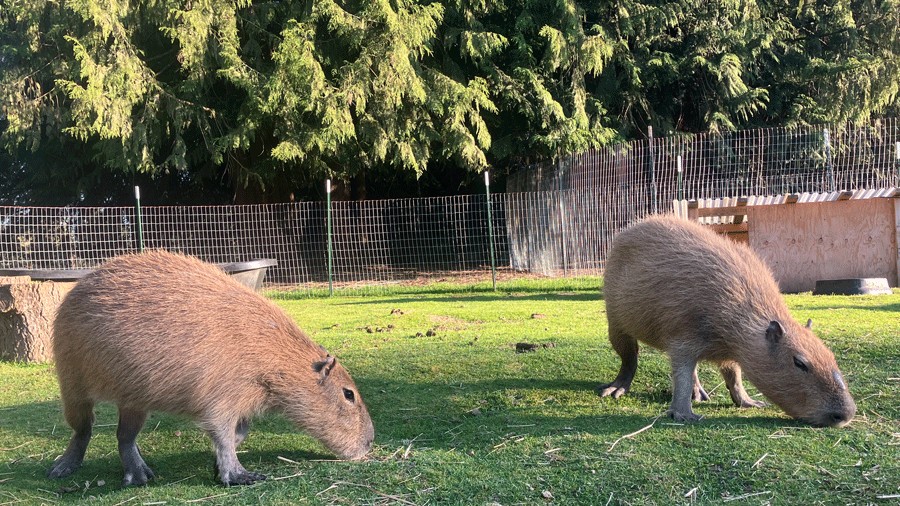
Perhaps the capybara craze has hit your home too — whether you fell in love with their appearance in “Encanto” or their videos that saturate social media, we can all agree that these massive rodents are undeniably endearing. Capybaras are known for their cute appearance and tranquil demeanor. They’re social, friendly and calm. Fun fact: Capybaras are surprisingly skilled swimmers. You can visit two capybaras, Muriel and Eustace, at The Healing Farm in Yelm, where you can book a private tour to feed and pet them (and all of the animals) on the farm. You can even book a night of on-site camping to soak up even more time with the capybaras!
The kinkajou, also known as a “honey bear,” may look part monkey and part bear, but it is more closely related to a raccoon. It’s deceptively cute — but they don’t make great pets. They are highly vocal and can be aggressive when they feel threatened. They may bite and scratch, but they are not considered dangerous to humans. However, when you visit this nocturnal rainforest mammal, you’re likely to see them resting. Kinkajous spend most of their time in trees and have the ability to rotate their ankles 180 degrees, allowing them to hang upside down from branches. Their prehensile tail also helps them hang. They serve as important pollinators in their rainforest homes as they search for nectar. All animals at the Northwest Wildlife Sanctuary came from concerning living conditions or dangerous situations. The sanctuary provides care, rehabilitation and placement of animals that are not able to return to the wild. The owner, Dave Coleburn, is passionate about providing educational experiences and sharing his expertise with others. Location: 40678 State Route 20, Oak Harbor Turns out, you don’t have to road-trip to Yellowstone National Park to drive among free-roaming wildlife! At Northwest Trek’s Wildlife Park, you can tour the free-roaming area to see moose, bison, elk and more from the comfort of a tram or car. Guides provide a radio play-by-play through 435 acres of Northwest habitats that are home to herds of elk, bison, caribou, bighorn sheep, mountain goats, deer and swans. My kids love being the ones to spot animals from the car. The lake, forest and meadow provide natural habitats with beautiful backdrops. Animals may get close to you or cause natural traffic jams, but feeding the animals is not allowed. Northwest Trek Wildlife Park’s accreditation by the Association of Zoos and Aquariums ensures that the health and safety of the animals and guests are top priority. Board a Discovery Tram Tour on the new electric trams (included with admission), drive your own car on a Wild Drive, or book a private Keeper Adventure Tour where you will ride in an open-air Jeep and go off-road to get a closer look at the animals. Location: 11610 Trek Drive E., Eatonville
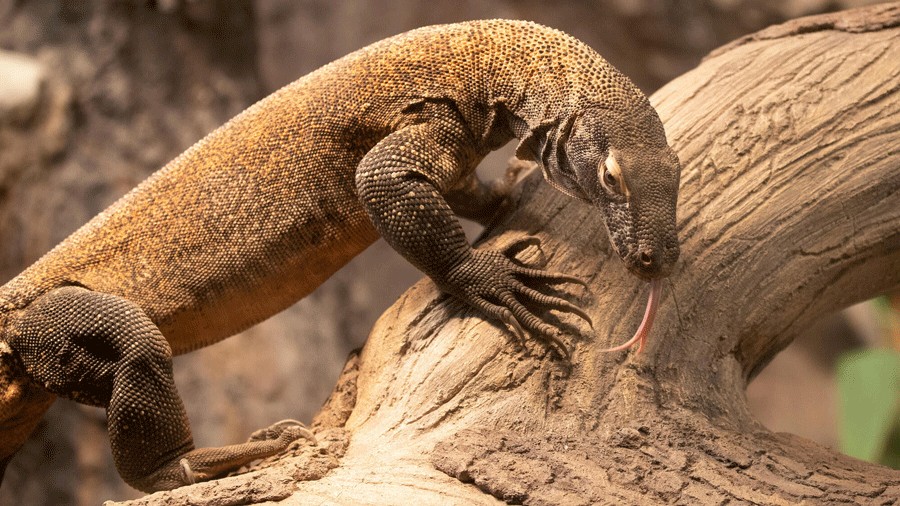
With less than 1,400 adult Komodo dragons left in the world, you’re in for a treat being able to observe two of these massive reptiles within the Reptile Realm (which opened in November 2024) at the Woodland Park Zoo. Komodo dragons are the largest living species of lizards in the world. At the Woodland Park Zoo, Komodo dragons have space to climb, dig, tunnel and explore. They like to bask under UV heat lamps and solar tubes. They also like to explore their outdoor habitat on sunny days. On a recent visit, we saw the Komodo dragon take a quick dip in its pool while using its long, forked tongue to smell and taste its environment. The Indo-Pacific Islands forest habitat contains a variety of snakes, lizards, amphibians and other reptiles within a walk-through outdoor exhibit. Each side of the exhibit has on-theme play areas to get some wiggles out. Location: 5500 Phinney Ave. N., Seattle
(责任编辑:) |