|
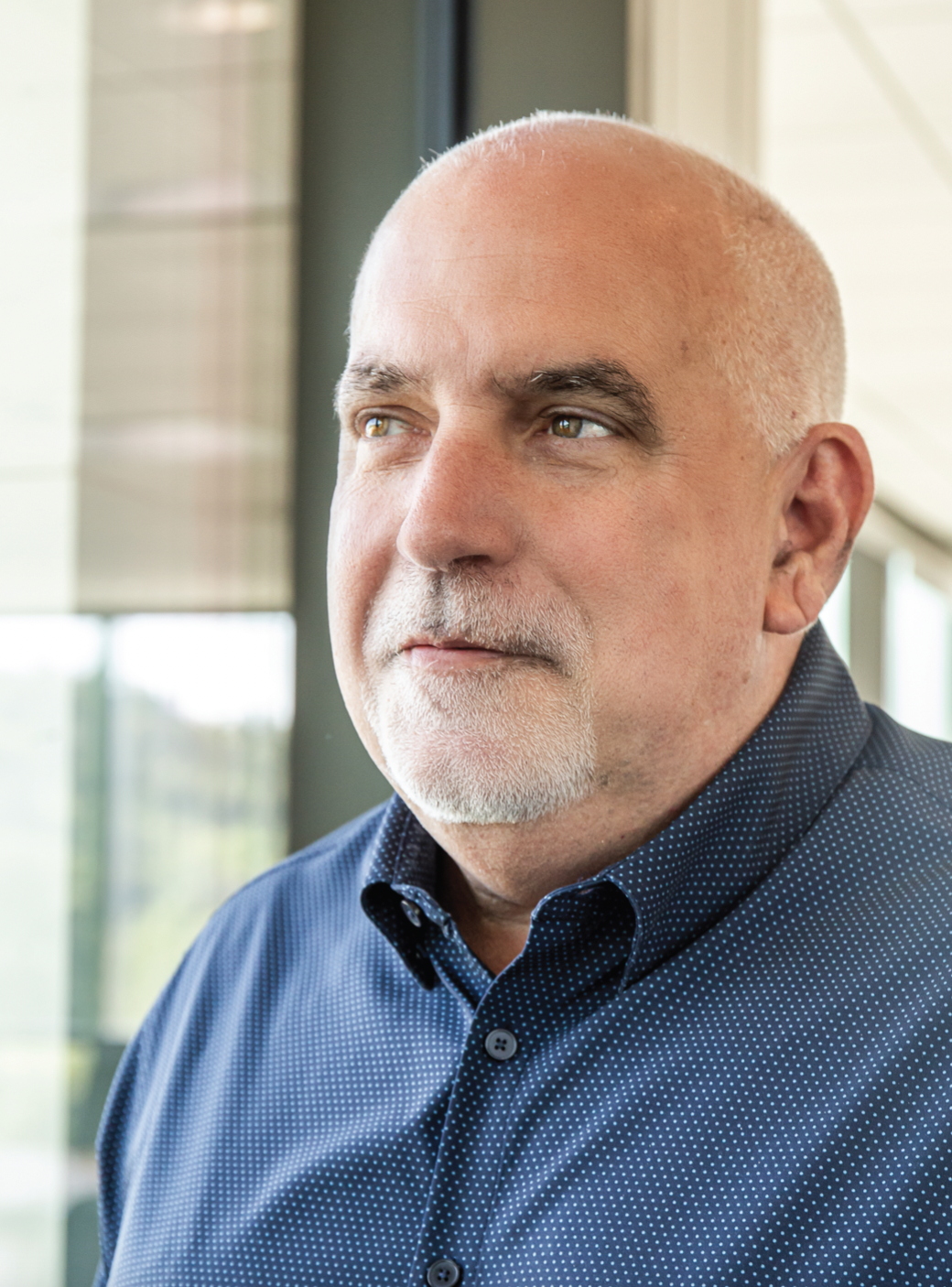
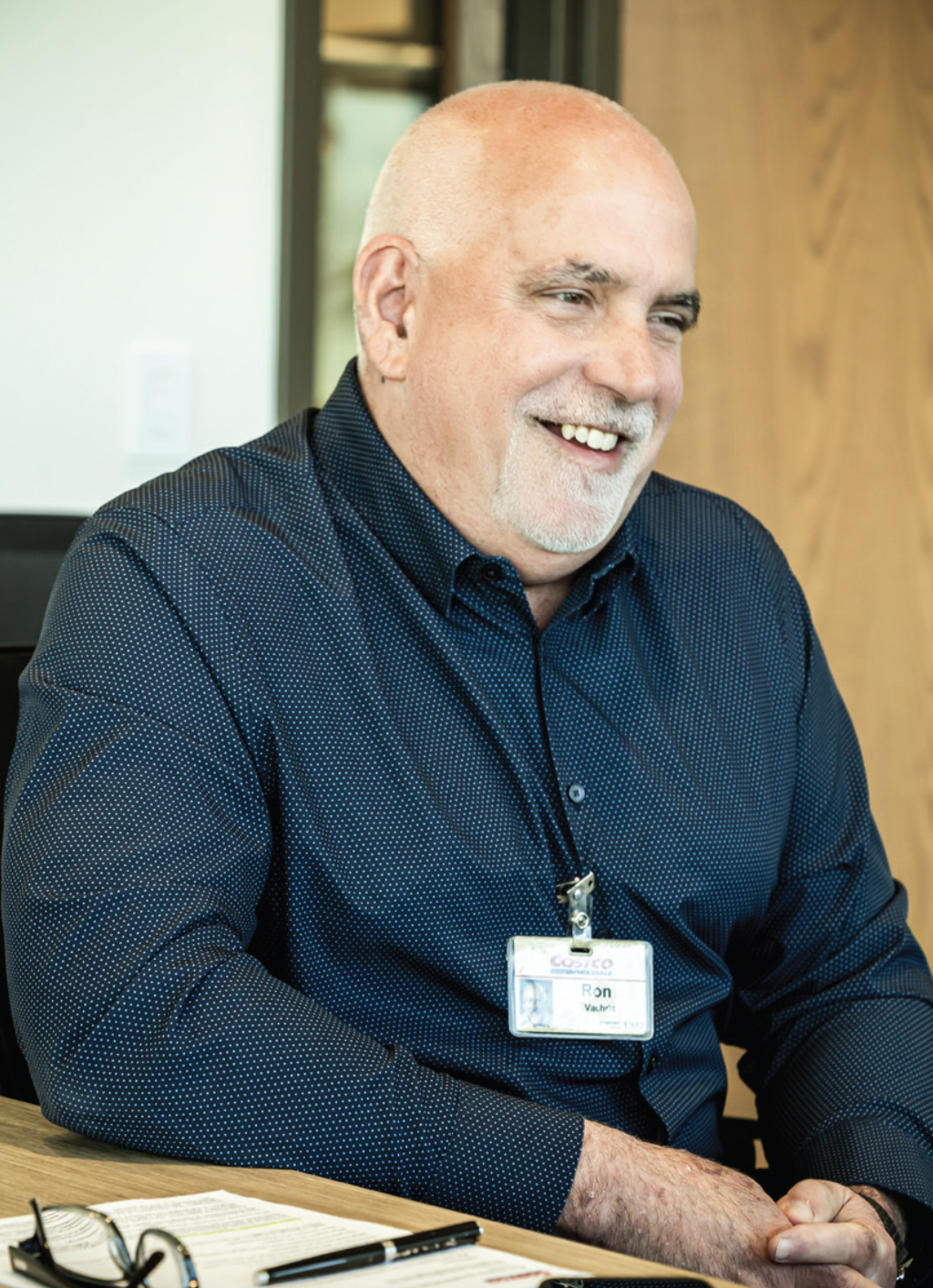
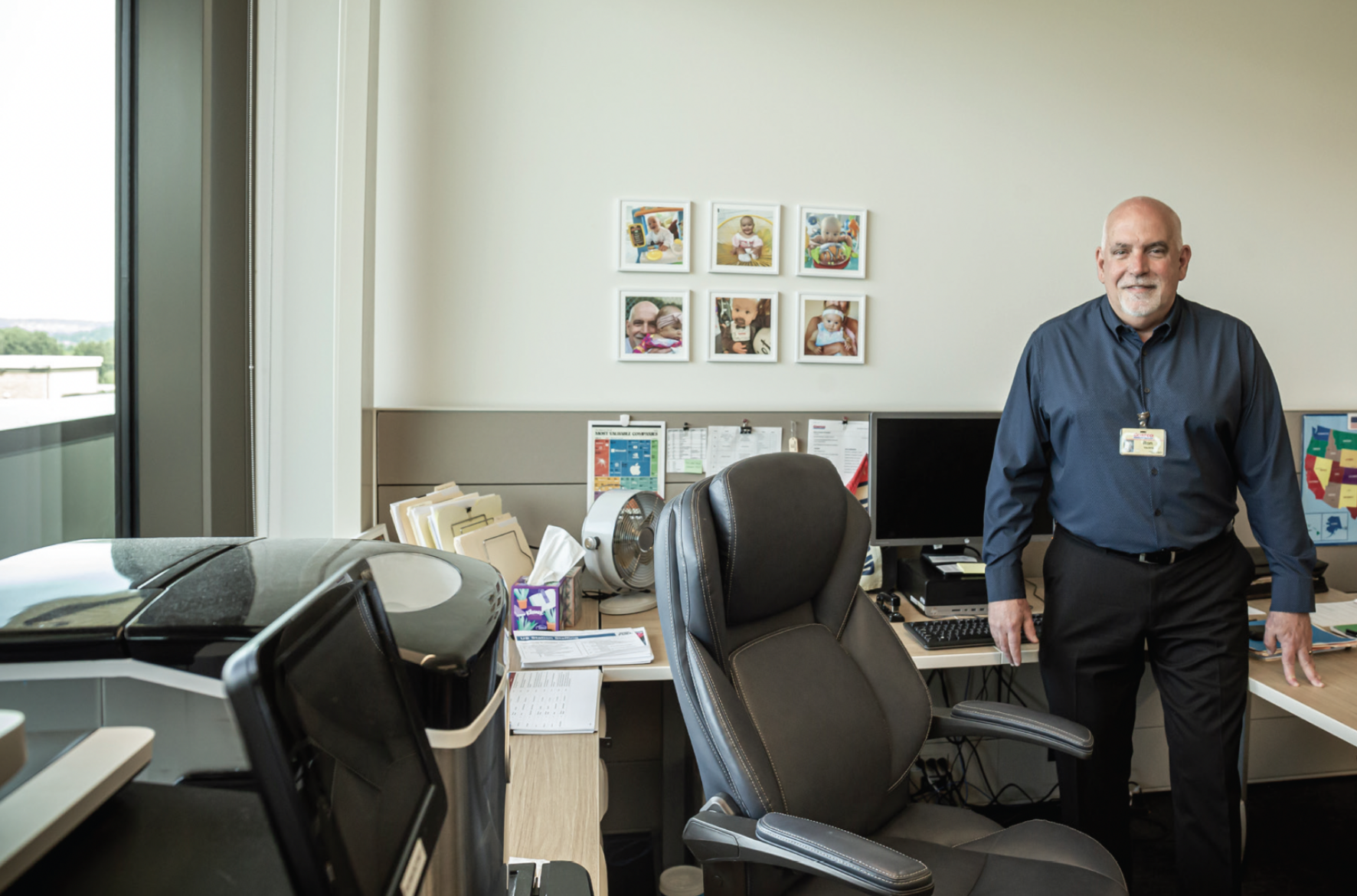
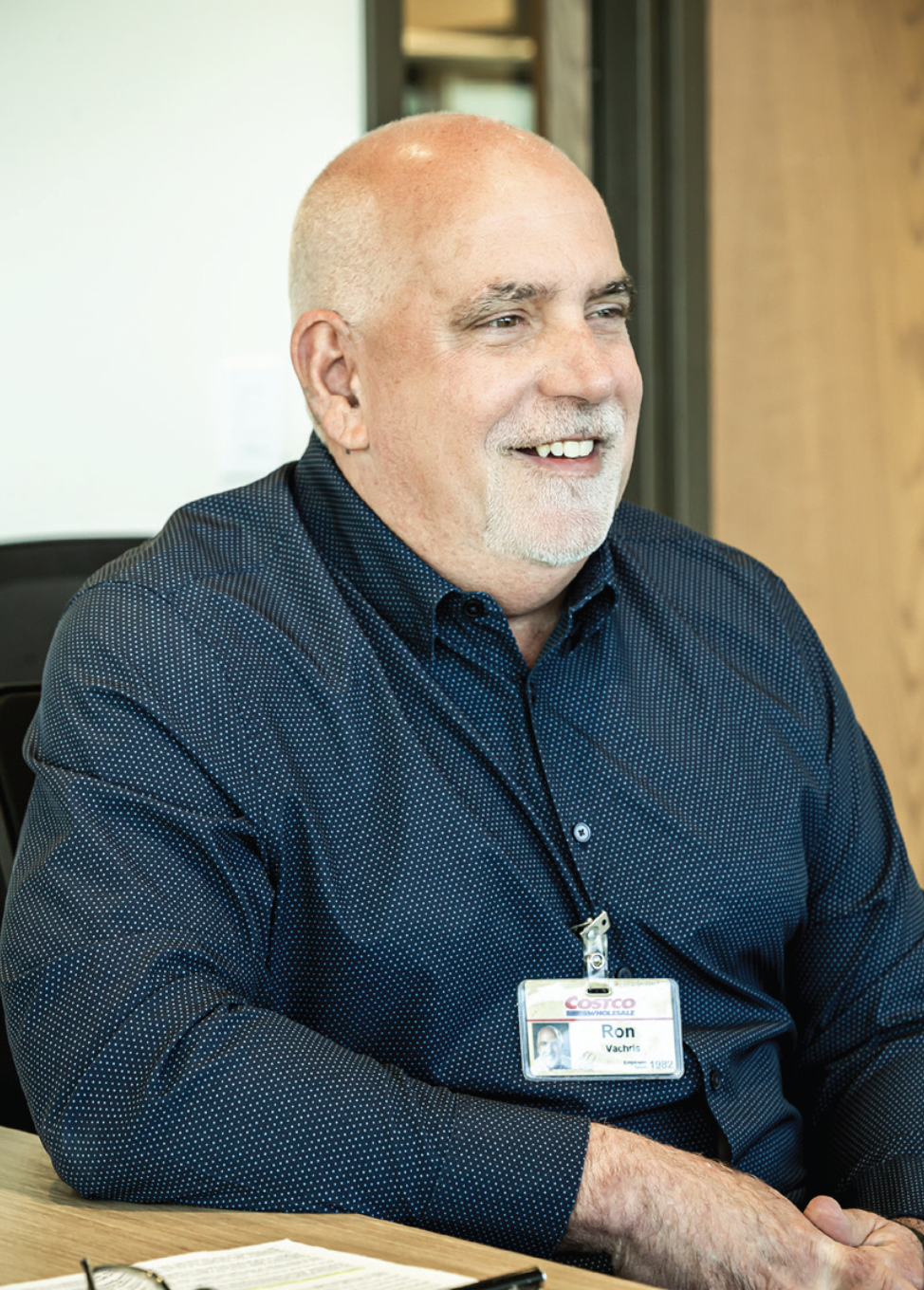
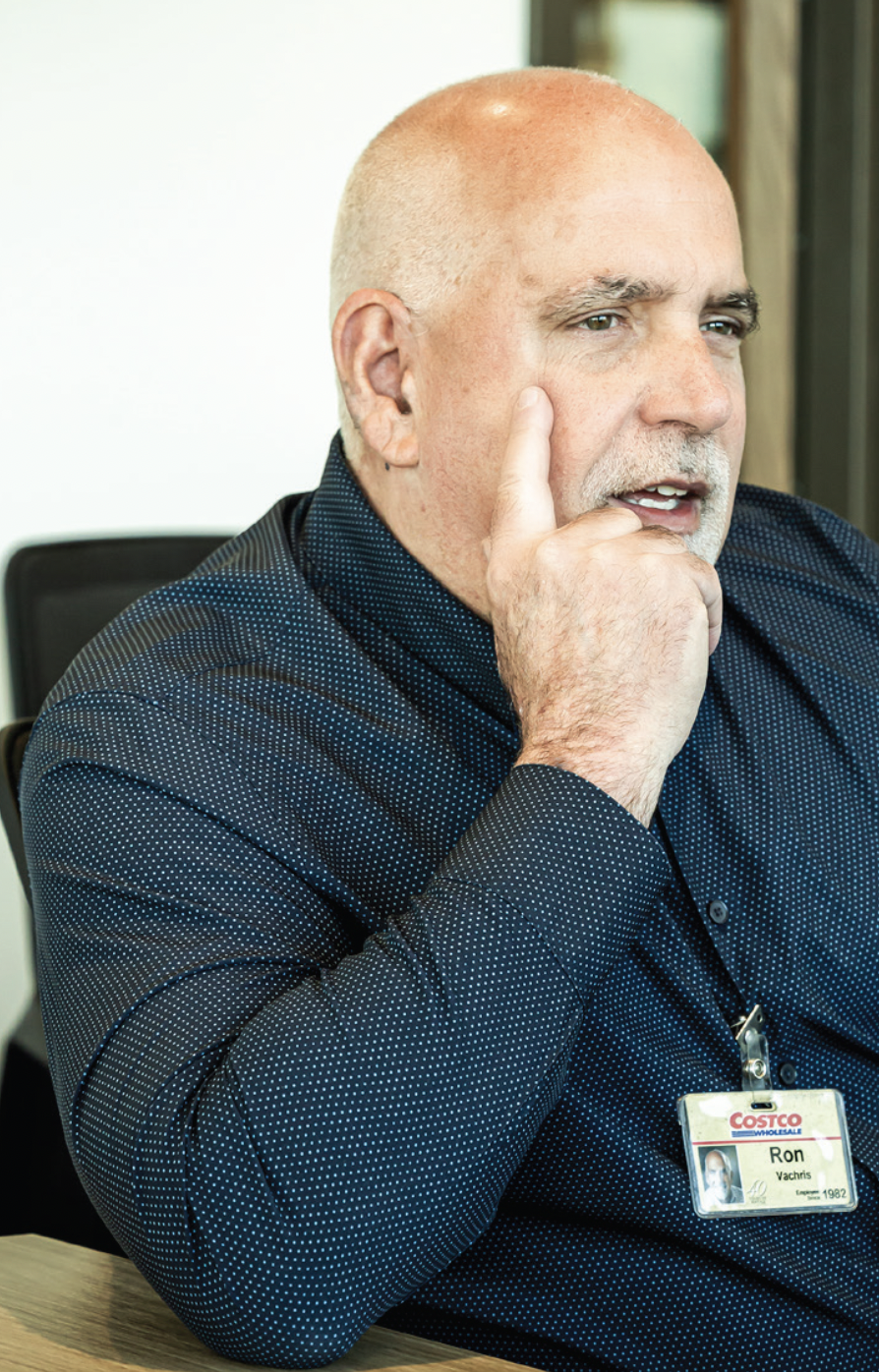
Ron Vachris, who became CEO of Costco Wholesale Corp. in January, works in an office cubicle like everyone else, albeit a larger one, inside the company’s new addition to its Issaquah headquarters. His ninth-floor space is decorated with numerous family photos, and he chose its location — by the elevators, no less — for the interactions it provides. His favorite area of the new building? The ground-floor cafeteria, where he can mingle and engage with employees. Vachris, 59, comes across as an everyday guy, even though his job is anything but: overseeing a company that had net sales of $237.7 billion last fiscal year ended Sept. 3, 2023; ranks as the third-largest global retailer; is No. 12 on the Fortune 500; has 876 member warehouse clubs worldwide, with 604 in the United States and 33 in Washington; and 316,000 employees, including about 7,000 in Issaquah. He’s only the third CEO since Costco opened its first warehouse in Seattle in 1983. The Sammamish resident exemplifies Costco’s culture of growing people from within. He started as a forklift driver in 1982, taking a seasonal position with Price Club (which would merge with competitor Costco in 1993) while on holiday break from studying business at Glendale Community College outside Phoenix. The work, culture, and potential were so alluring, he decided to stay. “I’m learning more here in real life than I am at school about business, so I just pursued this opportunity that I have with Price Club at the time,” Vachris said from the boardroom next to his office, a place he can escape for closed-door quiet when necessary. Price Club, founded in 1976 in San Diego as a members-only warehouse club, had about 17 warehouses when Vachris started. He called it a small company with a “great concept” whose father-son founders, Sol and Robert Price, created a culture of treating and paying people well, with visions the company would grow to 200 warehouses someday. “That was the talk that we had,” Vachris said. “Today we have 876, so who would have thought that at the time? … I said, ‘Well, this sounds like a real opportunity — they take great care of people; it’s a great environment (and) opportunity to move up and do more. Let’s see what this company would do,’ so I decided to stay for a little while.” After 42 years, he could be describing Costco today. It’s growing at an annual clip of about 25 warehouses and pledging opportunity for anyone wanting to build a career.
Like the loads he lifted as a forklift driver, Vachris gradually rose through the company based on a willingness to learn, grow, and work hard. “I’m not the exception; I really am not,” Vachris emphasized. “Throughout the company, there’s many like me; there’s just only one CEO position, so I just happened to be in that one,” he said with a laugh. Like Costco’s concrete and steel warehouses, there's nothing pretentious about Vachris; it's all about getting the job done — doing right by employees, members, suppliers, and shareholders as the company follows its simply stated mission: “To continually provide our members with quality goods and services at the lowest possible prices.” It’s a formula that’s basic and successful. Wall Street apparently agrees. Costco’s shares closed at $793.07 on May 16, when this was written, up almost 220% over five years. “This is truly who we are,” Vachris said. “We have a very humble group out there that just comes to work to do a great job, and their focus is doing the right thing, not recognition, and not being on a pedestal somewhere.” From driving a forklift, Vachris would become an assistant warehouse manager in Phoenix, then was asked in 1991 to be assistant warehouse manager for Price Club’s entrance into Colorado, where he helped manage two properties in Aurora and Westminster, later becoming manager for a third warehouse in Colorado in 1992. With the Costco merger in 1993, he was asked to return to Arizona to manage some warehouses through the coupling. The company operated as PriceCostco until 1997, when it became Costco; then, in 1999, he was offered a regional vice president’s role in San Diego to oversee 24 Costco warehouses in Southern California. He did that for a decade. In 2010, he was called north to the Issaquah headquarters to be senior VP and general manager overseeing about 62 warehouses in seven Western states. In mid-2015, Costco co-founder Jeff Brotman, who started Costco with Jim Sinegal, asked whether Vachris would run the company’s real estate division. “I was quite shocked because I’m a true operator … all my experience was in operations and running warehouses,” he said of becoming senior VP of real estate development. But the opportunity to work with Brotman was invaluable. The work included scouting locations worldwide, learning from warehouse operators in foreign countries, and about business abroad. “It’s one of the best educations I had in global business, was working alongside one of the founders of the company,” Vachris said of Brotman, who died in 2017. He acknowledges it was a big learning curve. “I speak often to our employees inside the company: ‘Don’t be afraid to get outside your comfort zone if somebody has confidence in you of taking on a new role and a new task,’” he said, admitting his early discomfort in the real estate role.
In 2016, then-CEO Craig Jelinek asked Vachris to try something new again, overseeing buying for Costco, becoming executive vice president of merchandising and chief operating officer. Then in January 2022, he became president and COO, signaling the company’s succession plans. He became president and CEO Jan. 1 after Jelinek’s retirement. Vachris’ rise through Costco demonstrates what he says is possible in the company. He emphasizes an environment for growth, not his own accomplishments, saying there are exemplary people throughout all tiers of the company. “I’ve had the good fortune of working with great people, and if you pay attention, and you learn what they teach you, and you listen, good things can happen,” Vachris said. He said he’s blessed to be where he is and acknowledges the forklift driver-to-CEO journey might sound interesting to outsiders, but it’s no big deal internally. It’s how the company rolls. “Keeping that culture going is my greatest task,” he said. “How do you ensure we embody that culture for the next 20 years as we have for the past 40 years? And how do you keep that going?” Vachris, who was born in Staten Island, New York, moved to Arizona as a teen when his father, a utility lineman who endured one too many bitter winters on the poles, relocated the family. Vachris and his wife of 36 years, Kim, have two boys, 36 and 33; a daughter, 26; and a granddaughter. Vachris’ free time is family time. “I’m pretty transparent,” he said. “It’s about my family and my career.”
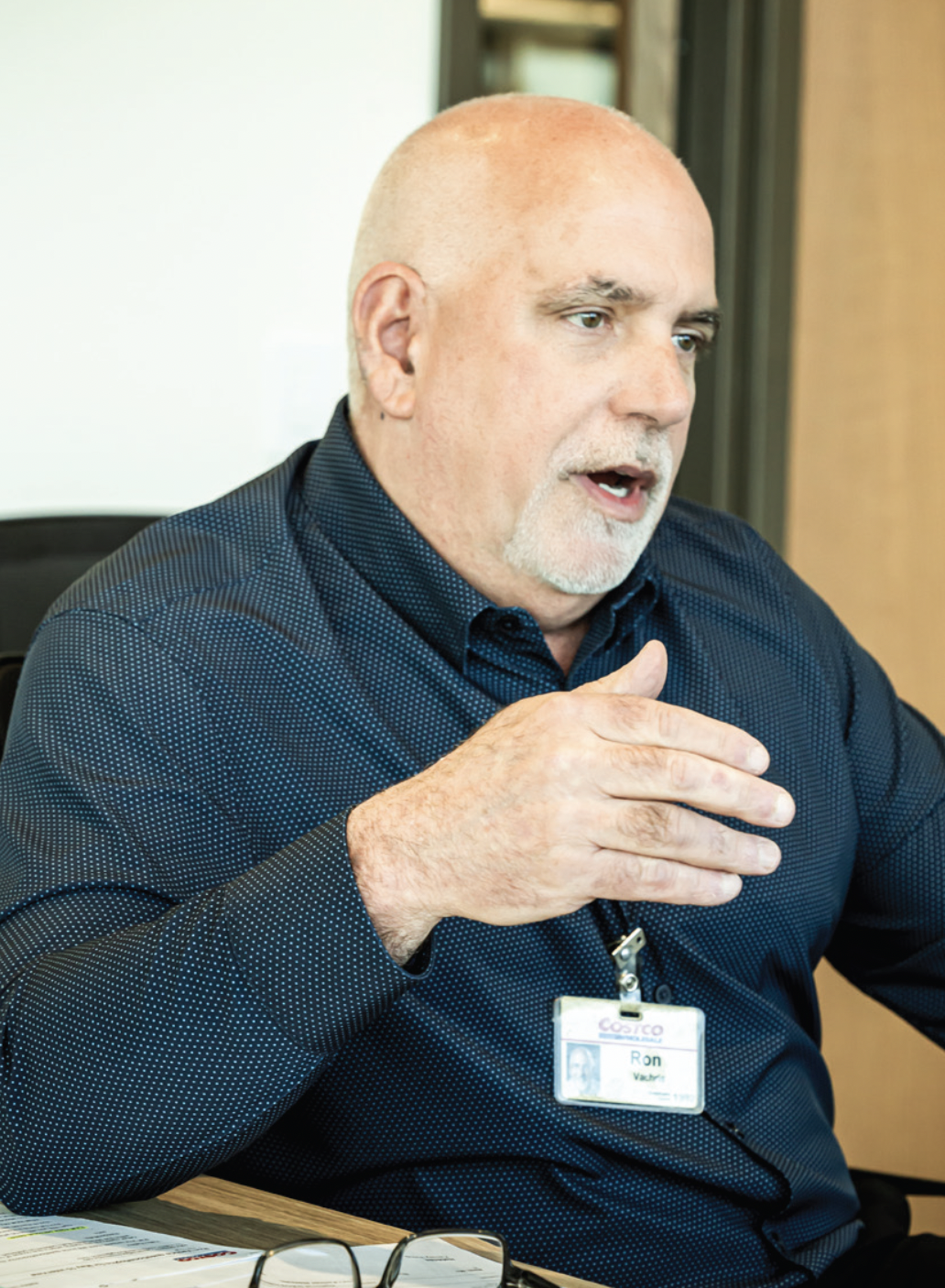
Vachris has a cubicle like anyone else, just larger. You seem to embody what Costco says in its code of ethics about taking care of employees, that “Costco is committed to promoting from within the company,” and, “We believe that Costco’s future executive officers are currently working in our warehouses, depots, and buying offices as well as in our home office.” You would agree with that statement, I’m sure.Absolutely. … Since the inception of the company, it was always a focus of everybody; it was that teaching, and 90% of any leader’s time should be spent teaching. And when you teach, you have the opportunity to then really see who’s responding, and who’s growing, and how, as you deal with your folks that way, you can really see the strengths coming out in people. And so you continue to develop people all along the way. … Our succession planning, we spend a lot of time on it through the company at a very early stage of their career, all the way … to the highest levels of the company. We review this on a regular basis about what our plans are … the best paths for people, both for the company at the time and also for that individual’s career. How does it check both boxes? It sounds as if there will never be a leader of Costco who comes from outside the company.That would be a very odd situation to have a CEO from outside the company. It’s an internal development of people that we’ve been working on for over 40 years. If you’ve got a good formula, don’t mess it up, right?That’s exactly right, yes. Your predecessor, Jelinek, said when you were named CEO: “Costco has a very strong culture and a deep bench of management talent.” How would you describe Costco’s culture?Our culture is very simple … it focuses back on doing the right thing. And I think that that has provided all of us an opportunity to be successful in our careers because it’s very easy to come in and do the right thing by your members, by your employees, by your shareholders, by your suppliers. When you are able to do the right thing and that’s the expectation of the company, it encourages you to grow, and to do more, and to do things well. You apply that with a culture of growing people from within and creating more than just jobs, but careers for people, and that’s when you see good things happen. Jeff (Brotman) always used to say: “Hire great people, pay good wages, offer great benefits, and good things are going to happen.” And that is true to this day, that we feel very good about taking care of our people and making sure we create a great environment. … Our company is run by growth from within. Costco’s annual report noted the company’s work developing future leaders, saying that in 2023, more than 7,800 hourly employees completed the six-week supervisor-in-training program. Is that to train future warehouse leaders or any supervisor or leader?It’s a catalyst to get people into management. … We don’t put a cap on it. We don’t say that you’re going to step in as a supervisor in area X with a potential of someday being the CEO of the company. Now where that goes from there, that’s going to be up to you. But we don’t have a path that says, “You’re doing this,” because we see such opportunities for people that have moved from our distribution centers over to buying, or (from) our call centers … into operations. So we train them into managing and teaching the culture of the company, and then when they understand the culture of the company, then you should be able to apply whatever business aspects you have to deal with that. The company says the majority of its current management team members, including warehouse, merchandise, administrative, membership, front end and receiving managers — is “home grown.” Is there a number that you can attach to that, for example, 70% of warehouse managers started as cashiers or receiving clerks, etc.?We (have) 876 warehouse managers right now; 87% of those started as hourly staff. … Then, from that 87 to 100 (percent), there’s entry-level managers that are now warehouse managers and worked their way up. It’s a very small, extremely small, number of people that came in at that level. So … a significant amount of who runs this company now were hourly employees. Do you have an anecdote or two of employees advancing from cashier, etc., to warehouse manager or executive that stand out as exemplary?They’re all exemplary. … It goes to the opportunity of how many positions we have available. … Claudine Adamo: She is now in the position I held as executive vice president of merchandising for the company. She started in Kirkland as a door greeter. Scott O’Brien, who is in charge of our fresh foods business … and has an influence around the country: He was a meat cleanup guy. … He used to clean up the meat department and he would be back scrubbing down the meat department, doing the sanitation at night. … Our executive vice presidents that run operations all began in the warehouse as hourly employees. The eastern division, our executive vice president, Yoram Rubanenko: He was also a warehouse employee when he started. … That (kind of advancement) is very commonplace in the company.
How many warehouses does the company envision adding this year? We will open 29 warehouses this year (fiscal year ending Sept. 1). … One could slide into the next fiscal year, or not … and we will open, globally, about an average of about 24 to 25 warehouses a year. Indefinitely?We see some good runway. … I can talk about the next five to 10 years; we should be in pretty good shape. So that’s a good average number for the next five to 10 years (24 to 25 warehouses per year)?It has been the average … for the past five to 10 years, too. The company had 316,000 employees at the start of this calendar year, with 95% in warehouse and distribution. Is that employee number likely to increase about 3% this year based on employee growth the past two years?That is correct. The annual report noted the starting wage increased in September of last year to at least $18.50 for all entry-level positions in the U.S. In this area, is it higher because of the cost of living?No. … $18.50 is starting, and then there’s other positions that would be a higher pay scale. … We don’t regionally pay. That’s the company’s starting wage, then we go up to $29.90 and even higher for certain positions that require licensing or unique skills, and you look at our optical areas and those type of things, they’re on different pay scales, but a higher pay scale. The company also says in its annual report that it continues to focus on diversity through inclusion, employee development, community involvement, and supplier diversity. Can you elaborate on why that’s so important to the company?I cite quite often diversity is good business. We have a very diverse employee base and we have a very diverse member base, and so when you have a diverse management team that understands different ways to operate the business based on the needs of our members and our employees, it allows you to align better to who we’re serving, which is our member base. So I think that diversity pays great dividends to us being responsive to different cultures and different people. Also, I don’t want to be surrounded by a bunch of people like me; I want to have different views and opinions, and different ways to look at things — and diversity really lends to that very well for us. So it’s certainly been a valuable attribute of the company in how it operates internally and externally.Absolutely. We truly cite it as it’s good business, and it keeps us in touch with those people that are important to us, which are our members and our employees.
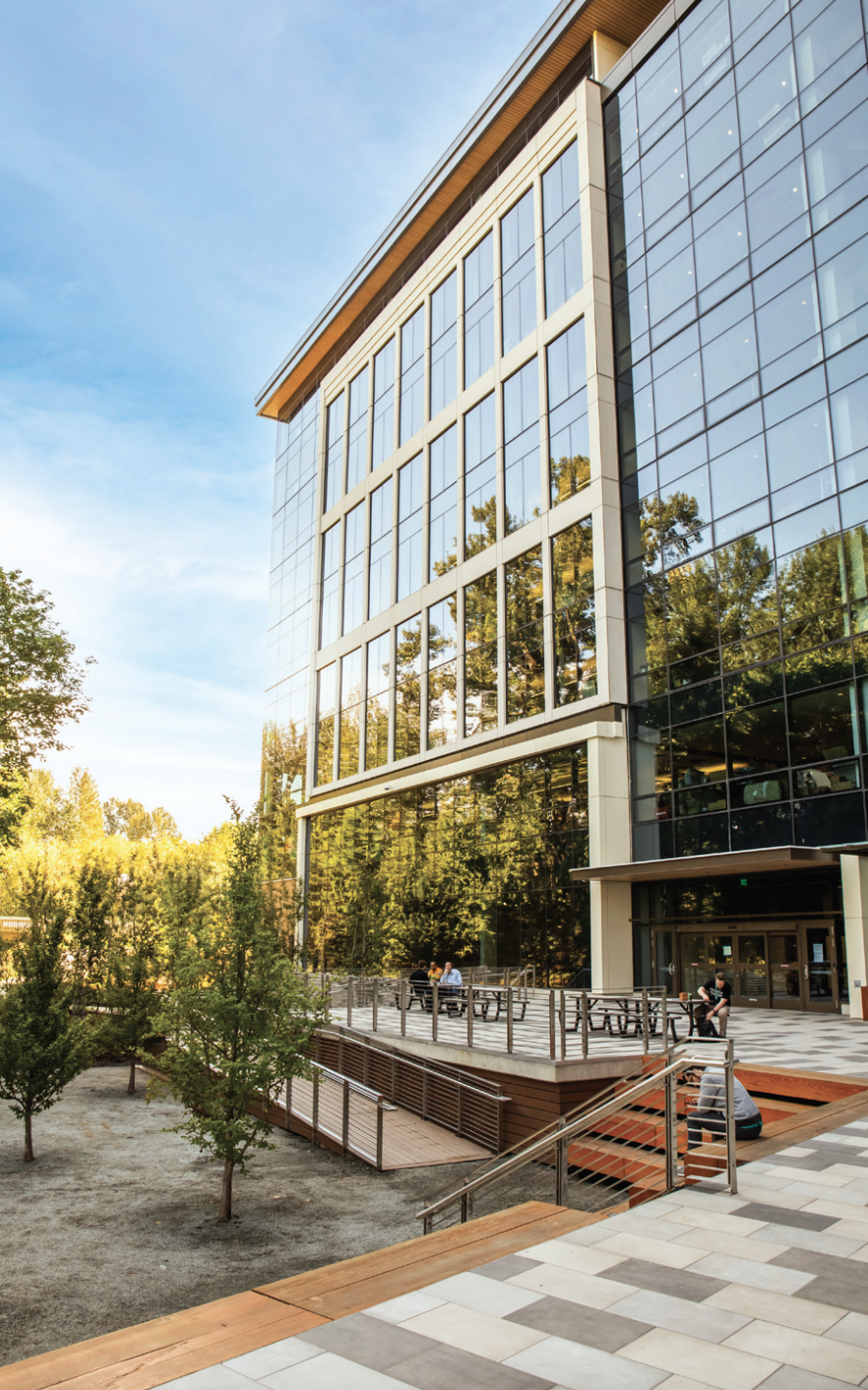
Employees enjoy the back deck of Costco’s new Issaquah headquarters addition. The deck backs up to Issaquah’s Pickering Trail, which sweeps between the office and wetlands through which Issaquah Creek flows. Is there anything else about Costco’s wages or benefits or employee programs you feel is important to mention?It goes back to the opportunities for careers for all, and it’s a culture of inclusion; I would have to say that is most important: that everybody is involved; everybody matters. And you see that through all levels of the company, that the opinions, the needs, the opportunities are there for every division of the company. And our managers are doing a very good job of being responsive to those opportunities for everybody. … (Employees) have opportunities to go into many things if they want to with this company. They could go abroad and work in another region somewhere in the world if they wanted to. And so I think that that really lends that opportunity to say that really the ball’s in my court: What do I want to do with my career? So along with pay and benefits, (which) are extremely important to our people, it’s opportunities and inclusion, I think, that are really overarching in the culture of the company. Obviously that resonates with people, because the company talks about a roughly 90% retention rate in the U.S. for employees with the company at least a year. I’m curious what the industry average is to compare.I would be guessing. … I know that when others in our industry hear that number, they’re astonished. So I think it’s considerably higher (turnover) than what we’re doing. … The loss of any employee is a loss to our company, and we always look at it that way. We’ve looked at it that way for many, many years, and we want to make sure that we retain people. You give them those opportunities, you include them in what’s going on in the company, and people are going to stay with you. You’re the perfect embodiment … starting as a forklift driver and showing promise and seeing opportunity — it goes both ways — and it sounds like if you were to send a message to employees or future employees, it would be: Look what happened to me. I was given opportunities.I worked hard, and that is available to everybody in this company. And that’s the most important thing that I would say to them is that I’m not unique in what’s going to happen in the future of this company. It’s going to continue to be this type of a thing. And I open that up to everybody that works for us today, is that you could be doing anything in this company that you really set your mind to. We hear so much about companies struggling to find help and labor. That doesn’t sound like necessarily a problem in Costco.No, we’re fortunate. All the hard work of everybody in the company — we have a very strong reputation out there — and that reputation is not created here; it’s created out in the field, where everybody interacts with all of our members and with the public. And that’s what makes me so proud about the reputation of the company is that that is something that we’ve accomplished together. All of us have accomplished the reputation of the company for many years together, and I think … when you have a good reputation out there and people enjoy what they’re doing, people want to work there. Do you as CEO try to visit most of the warehouses?We do. It has become a big task anymore. Myself and all the senior officers in the company spend the majority of our time out in the field. My goal is to get into every building as quickly as I can. It may be every 18 months or 24 months that you do a cycle of getting through everywhere (then revisiting in a new cycle). But that is the goal: to get into every building we can get into and engage and really be out there to see how things are going and help support. Even the CEO is trying to get to every building?Oh, absolutely. It seems as if your lieutenants would be the people doing that, but you literally try to get to all 876 warehouses?Absolutely. It’s important for me to be out there … they can do it on much greater frequency because they have a little bit smaller area of responsibility of geographical areas that they’re covering, but we do a lot of that travel together as a group.
So you’re kind of gathering intelligence on the ground, and seeing what works and doesn’t work, and what sells and doesn’t sell? The company runs out there in our warehouses; that’s where the company is really running. … You can do some of it from here (headquarters), but the majority of the work you do is out in the buildings, and out in our distribution centers, and out in our plants that are producing our ground beef or our packaging plants. … It’s vital to be out there and to spend time with those employees because we’ve got the best people in the industry. We truly do. I say that with great confidence, and I learn so much when I’m out there listening to them, and hearing what they’re dealing with, and the things that are going well, and the things we need to understand as managers, how we can help fix it for them. So it’s a great education to spend time with our employees around the world. You’re not managing from afar; you’re managing from ground level.Everybody in the company does that … from the warehouse all the way up to my office. … When the warehouse calls for something, you drop everything, and you help them take care of what they need to take care of. How would you describe your management style?I’d hope it’s trustworthy. I’m going to be honest, fair, and supportive. My job is to help everybody stay on track and get their things that they need to get accomplished and to support those people that are out doing this great work for us. And then along with that, looking at the future — where as a group we want to take the company, and how can we add value to our members? How do we add value to our employees? Those type of things. So I just bring all the talent together and try and direct us in one certain way. Side note: There’s a story we ran in April 2018 from an Issaquah Chamber of Commerce meeting where then-CEO Jelinek recounted a story when he was COO. He was telling CEO Sinegal that Costco was “losing our rear ends” selling the hot dog for $1.50. Sinegal responded, “If you raise the effing hot dog, I will kill you. Figure it out.” Are you aware that was the most viral story we’ve ever run?I’ve seen T-shirts with that quote on it. I’ve seen people out there that have … made their own picture of our hot dog and that quote above it. And Craig and I were traveling together, and we just fell over laughing. We’re like, “I think that thing took on a life of its own.” I’m aware of that story. I don’t think his statement that he made at that time (that) he thought it would be so iconic around the world, but it became that way. But it sort of also embodies what Costco’s all about, right? It’s this value orientation.Yep. And so that symbolizes in a small way, that hot dog and soda for $1.50, what you’re all about. Don’t mess it up.The $4.99 rotisserie chicken (weighing 3 pounds or more), the $1.50 hot dog (quarter-pound) and soda are important to our members. It’s also a symbol to our employees about (how) it’s easy to take prices up — but how do you figure out how not to do that? How do you continue to drive down costs without sacrificing quality? … We had to go to an extreme of opening up … two of our own plants where we produce the hot dogs. (Costco also opened its own chicken plant in Nebraska to retain the chicken price.) So sometimes you go to great lengths to make sure that you can sustain something, but that’s what we do; we figure things out. And we’ve got remarkable people that continue to look to how to deliver great quality and great value. So you won't be the CEO that changes the hot dog or chicken price?Not on my watch; it's not gonna happen. (责任编辑:) |